What Are the Stages of Addiction Cycle?
A person can break the cycle at any point, as long as they get the right help. Understanding the five stages of addiction recovery can also be helpful for addicted people and their family members. During this stage, individuals may try a substance or engage in a behavior out of curiosity, peer pressure, or simply to experience something new. Experimentation is often characterized by occasional use and a sense of control over the substance or behavior.
Right to Request Confidential Communications.You have the right to request that your healthcare provider communicate with you only in a certain manner. To request confidential communications, you must make your request in writing to the HIPAA Privacy Officer. Law Enforcement.Your healthcare providers may release medical information about you if required by law when asked to do so by a law enforcement official.
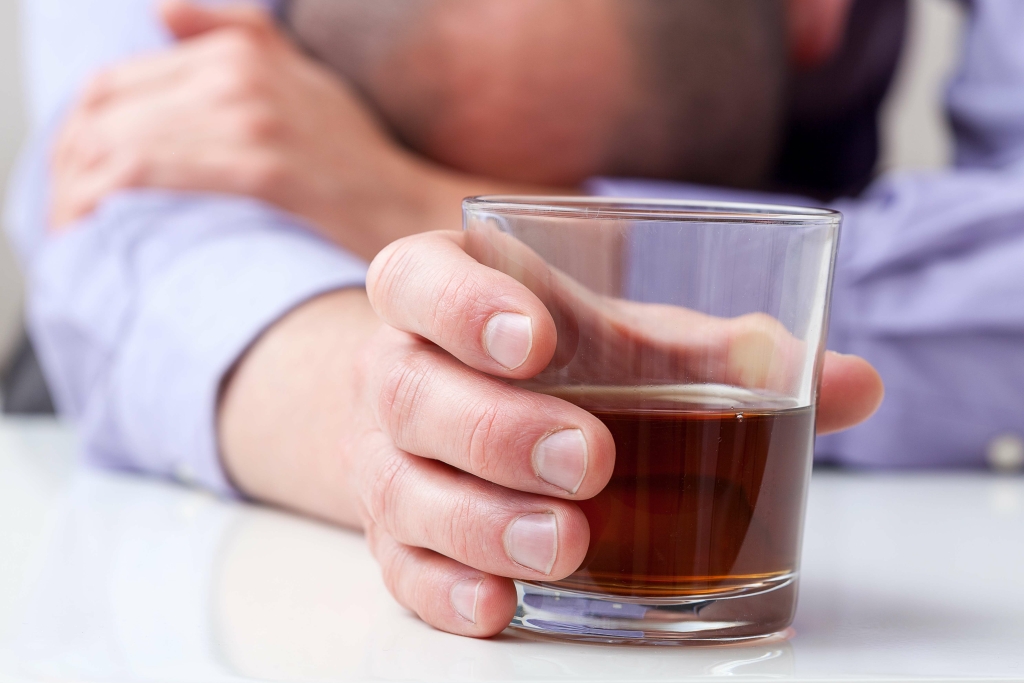
What Are the 5 Stages in the Addiction Cycle?
You might leave the theater feeling frustrated, uncomfortable, and disappointed in yourself—but you shouldn’t. You can become dependent on the substance to function without discomfort or unhappiness3, especially as your brain learns to make less dopamine and simply wait for more to come from the substance. It can get so used to this, becoming tolerant, that it starts making less naturally2, which can mean you’ll need more of the substance to make up for the loss and take the substance more often to not experience a low. Accurate, complete profiles best connect you with the right people for your services. Maintain your profile by updating your photos, video links, treatment services, and contact details to ensure optimal visibility. A person with emotional intelligence has a strong grip on his emotions and knows how to manage his emotions when the environment triggers them on an emotional level.
Social and Economic Consequences
The cycle of addiction is a powerful and destructive process fueled by changes in brain chemistry, tolerance, withdrawal, and neurotransmitter regulation (or disregulation). While dopamine is the star player in the brain’s reward system, other components like alpha cells and the GABA system also contribute to the persistence of addiction. Understanding the biological underpinnings of addiction can pave the way for more effective treatments and help those struggling break free from its grasp. During addiction, the brain’s natural production of dopamine becomes suppressed, and without the drug, dopamine levels plummet, leading to intense cravings and withdrawal symptoms. This state is both physically and emotionally painful, which often drives individuals back to substance use to relieve their discomfort.
Providers who advertise with us must be verified by our Research Team and we clearly mark their status as advertisers. It supports your recovery after you leave more intensive treatment, like residential rehab. Aftercare can include sober living, ongoing therapy sessions, and continued contact with staff from your treatment center. Many rehabs also have strong alumni communities with events, 12-Step groups, and more to Drug rehabilitation keep patients connected and supported long after they leave treatment.
How Do You Choose the Correct Cycle of Addiction to Break?
- Oftentimes, when people relapse, they will binge on a drug, worsening their addiction.
- For example, someone addicted to cocaine may continue using despite financial ruin or family breakdown.
- Experimentation typically involves one-time or occasional use, often in social settings such as parties, concerts, or gatherings with friends, where users perceive minimal immediate harm.
- Telemedicine involves the use of electronic communications to enable healthcare providers and service vendors at sites remote from patients to provide consultative services.
- Health Oversight Activities.Your healthcare providers may disclose medical information to a governmental or other oversight agency for activities authorized by law.
For instance, someone regularly using prescription sedatives may need more pills to feel calm, potentially leading to risky behaviors like borrowing medication. Users often maintain social, academic, or professional responsibilities, but subtle shifts occur, such as neglecting hobbies, spending more time seeking substances, or prioritizing drug use over relationships. People in stage five may show signs of addiction in other areas of life, like having financial issues, losing their job, and having trouble with their relationships. Your body starts using the substance to meet a sense of homeostasis, and if you stop taking it, you’ll likely feel sick. In particular, opioids can make you feel highly unwell if you stop taking them4 without a professional detox. As this cycle repeats, the likelihood of addiction grows until it’s realized.
They may experience feelings of guilt, shame, and self-loathing, yet feel powerless to break free from the cycle. This can lead to further substance use as a means of coping with these negative emotions, perpetuating the cycle of addiction. As individuals continue to use the substance or engage in addictive behaviors, tolerance begins to develop. This means that larger doses or more frequent use are required to achieve the same effects. As tolerance increases, so does dependence, as the body adapts to the presence of the substance and begins to rely on it to function normally.
Identifying Initial Use Signs
- Structured collaborative strategies promote reflection of communication and behavior.
- In those cases, the body was not able to work properly before the person started taking the drug, and the medication is being used to correct that.
- In this comprehensive guide, we delve deep into the intricate layers of the addiction cycle, shedding light on its complexities and offering insights into how individuals can navigate their way towards healing and liberation.
- Tolerance occurs when the brain becomes accustomed to the increased dopamine levels caused by drug use.
The core tenet of CBT is that your mental choose the correct cycle of addiction. habits influence your feelings, which in turn influence your behaviors. CBT, for example, emphasizes how negative ideas can result in unpleasant sensations and behaviors. Our goal is to provide education and insight on healthcare topics related to Substance Use Disorder.
Levels of Care
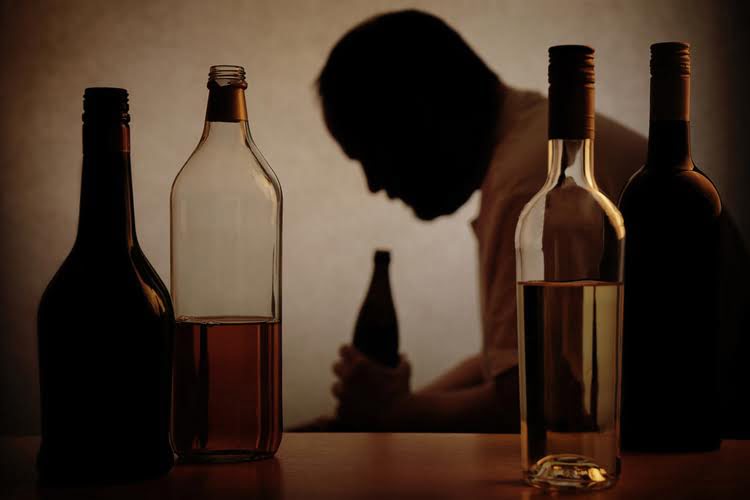
You might notice your loved one going to bars more frequently or attending parties with drinking or drug use. As another example, maybe your spouse starts having a glass of wine every night after trying some at a restaurant. Even if the trigger led to a relapse, you’ve still gained a tool for your future recovery and sobriety. You gain the same learning opportunity from any relapse, regardless of its cause or trigger. If you’re looking for treatment, please browse the site to reach out to treatment centers directly. If you’re a treatment provider and have a question, please reach out and someone from our Customer Success team will be in touch with you shortly.
The Stages of the Addiction Cycle

After using a drug for some time, a person can find themselves trying to quit. The addiction cycle is used to help illustrate how quickly drug use can develop into addiction. It explains why it’s so difficult to https://ecosoberhouse.com/ simply quit using once a person is addicted to a drug.
Any drug with a similar mechanism of action that is chemically affecting the central nervous system can lead to tolerance, even if you jump from one to another. For instance, all drugs that lead to a dopamine rush (a euphoric “high” feeling) can lead to addiction, no matter how often you switch from one substance to another. No matter the reason, drug use can rapidly begin impacting the brain and body. With strong substances like fentanyl and heroin, a person can begin to feel addicted from the very first use. In conclusion it is crucial to establish a strong support system and develop healthy coping mechanisms.
Relationships suffer as users prioritize drugs over loved ones, leading to conflicts or estrangement. Financial difficulties, such as accumulating debt to fund drug purchases, are common. As your use increases, you’ll grow more tolerant to the substance1 and its pleasurable effects. You may start to plan your day around substance use or start canceling plans that might keep you from it.


- R Sao Carlos, 335, Bairro Santo Antonio - Louveira SP




- Rua Armando Steck, 67 - Centro - Louveira/SP



- Rua Armando Steck, 67 - Centro - Louveira/SP


- Av. Nossa Senhora da Abadia, 705 - Bairro Abadia

- AV. RICIERI CHIQUETO, 72

- Rua alcion 384


- Rua Armando Steck, 67 - Centro - Louveira/SP
- Rua José Pisciotta,17 B Nova Valinhos VALINHOS SP